
About Us
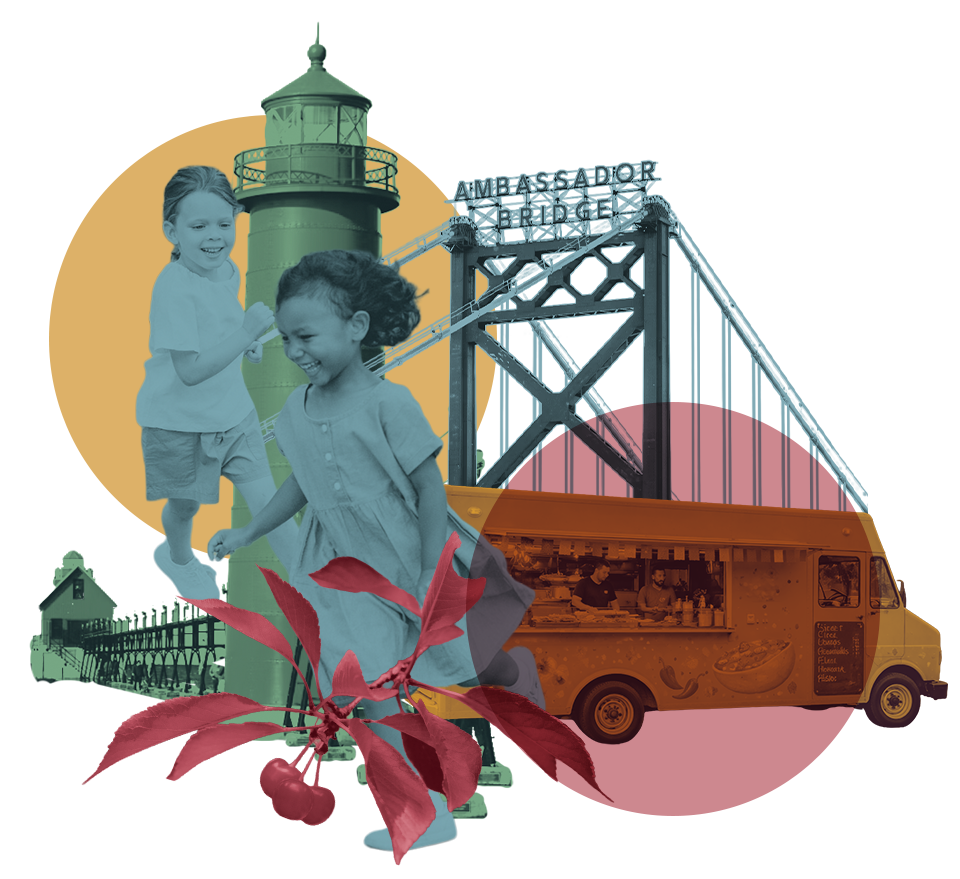
Reimagining Safety Michigan is a collective of organizations that demonstrate commitments to advancing a vision of liberation from punishment and carceral-based systems in Michigan. Since the fall of 2023, we have convened with passion and energy as a unique space for cross-state collaboration with this focus. We are community organizers, advocates, and non-profit workers, who work toward change within and outside of the system. Our work spans across the state, with a focus in lower and southeast Michigan.
Our organizations engage in liberatory, abolitionist work through alternatives to police, harm reduction, freedom work, legal services, somatic (body-based) healing, anti-war movements, housing justice, and advocacy. We deeply believe in and take strategic action towards abolition becoming the fabric of our collective work in Michigan. We know this will take time, resources, collective organizing, steadfastness, and learning; we are committed to this long-term transition in culture and power.
- ACLU-Michigan
- American Friends Service Committee - Michigan Criminal Justice Program
- Care-Based Safety
- Detroit Justice Center
- Interfaith Council for Peace and Justice
- Liberation Empathy Advocacy Future
- LINC UP
- Michigan Liberation
- Michigan Roundtable for Just Communities
Our Mission
Reimagining Safety Michigan is creating a statewide vision and set of practices toward building a transformative, loving culture in Michigan. From the community to the systemic level, we advocate for divestment from systems and cultures of punishment (prisons, policing) and investment in work rooted in love and care.
Our Vision
Reimagining Safety Michigan envisions a future for our state that is based on care and free of punishment-based systems— where children can play with ease and communities can practice self-determination in how they respond to, navigate, and mitigate harm in interpersonal, family, and community conflicts.
Our Work
- A state-wide platform of liberatory/abolitionist priorities for safety in Michigan
- Equipping communities with a toolkit to support local, connected organizing
- Surveying the landscape and creating a map to connect transformative work across the state
- Host a state-wide mass convening for partners in the landscape
- Introduce and deepen transformative narrative into spaces with vast and unaccountable power
- Offer political education and build collective power towards a liberatory future
Our Principles
1) We believe in change rooted in community.
This looks like: deep partnerships with communities; trusting community to guide solutions; and being an active participant within your own community.
2) We are committed to bold and truth-based narratives.
This looks like: telling historically accurate stories; making known who benefits and who is harmed; clearly defining True Public Safety; and unlearning internalized narratives of the criminal justice system in all of us.
3) We are committed to inclusion.
This looks like: we refuse to “other,” dehumanize, or dispose of people, even when we are navigating conflict, harm, or disagreement. We reject narratives that fuel anti-Blackness, anti-immigrant fear, transphobia, homophobia, or any “us vs. them” politics that strengthen criminalization. We recognize that our struggle is against systems, not individual people.
“Nobody’s free until everybody’s free.” - Fannie Lou Hamer
4) We know that collaboration and strong coalitions are key.
This looks like: working as a part of a broader abolitionist ecosystem, locally, nationally, and internationally; a commitment to transforming ourselves and our relationships; organizing collective power to dismantle harmful institutions and policies; building new community-rooted ways of responding to harm so that policing and punishment become obsolete; and staying in dialogue, shared strategy, and solidarity with other movements for justice to grow our collective power together.
5) Access to care extends beyond treatment and must address the whole person.
This looks like: every facet of care (from outreach, to intake, to services) being rooted in dignity and respect; where the pursuit of wellness and life-saving measures are the central focus; where the needs of the whole-person are embedded in care.
6) Through radical community care, we create the conditions to heal and transform systems of care to meet our needs.
This looks like: being actively engaged members and neighbors of our communities, serving those in need and providing mutual aid; boldly building and sustaining alternative structures that shift practice and policy and are informed by real community needs; advocating and building capacity for the life-essential resources needed to thrive.